Apr 9, 2026
VRM is becoming the avatar standard AI needs
Portable AI Avatars: VRM is becoming the avatar standard AI needs
By The Lab
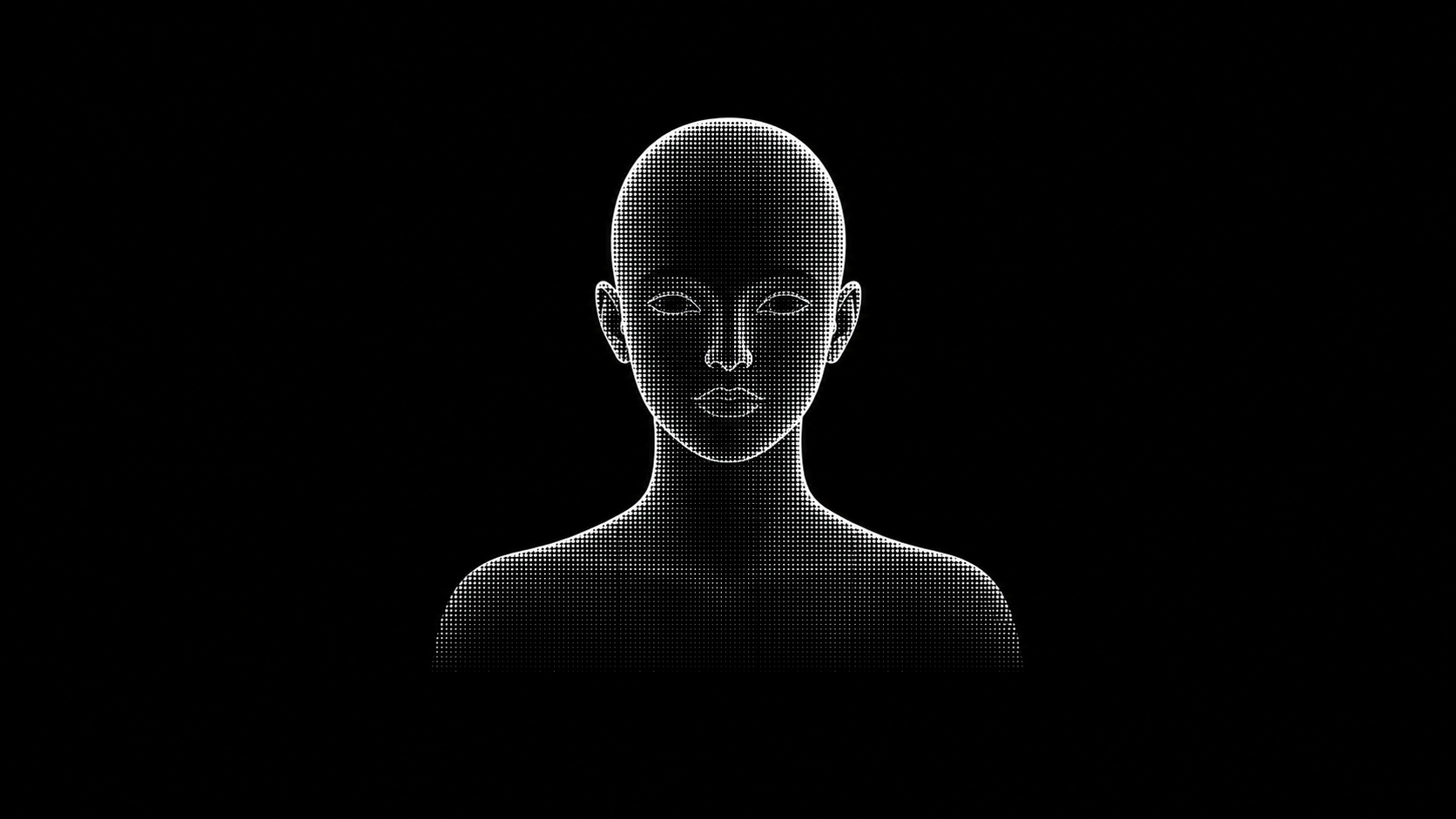
AI avatars are moving from novelty into interface infrastructure. Companions, agents, stream characters, creative tools, and desktop assistants all need a way to represent a character consistently across apps. The question is not whether avatars will matter. The question is what format they should be built on.
VRM is increasingly the obvious answer. It already solves a real problem for humanoid 3D avatars: one portable file can carry the model, textures, skeleton, expressions, spring-bone physics, eye gaze behavior, and licensing metadata. That makes it much more than a 3D asset. It is a character container.
Utsuwa did not invent that direction, and we do not need to pretend we did. The point is simpler: VRM is becoming the shared language AI avatar tools have been missing, and Utsuwa is built to meet that standard where it is already forming.
Why VRM is the right foundation
VRM extends glTF, which means it fits naturally into the same 3D web pipeline developers already use. Rename a VRM file and you are still looking at a glTF binary underneath. The difference is that VRM adds the avatar-specific layer: standard humanoid bones, expression presets, mouth shapes for lip sync, spring bones for hair and clothing, eye gaze controls, toon materials, and usage permissions embedded directly in the file.
That matters for AI because avatars need to move. A useful companion should be able to blink, speak, react, look toward a target, and carry its identity from one environment to another. If every app invents its own avatar format, the ecosystem fragments before it has a chance to mature.
VRM gives builders a more practical path. A creator can make a character once, export it, and bring that same model into any app with VRM support. An AI product can focus on behavior, conversation, memory, and interaction design instead of rebuilding a proprietary character pipeline from scratch.
Standard web technology is enough
Utsuwa is built around the idea that the browser is already a serious 3D runtime. With Three.js, @pixiv/three-vrm, Web APIs, and modern app frameworks, developers can render expressive VRM characters in normal web and desktop environments.
That is important because the web is where AI products are being built. If the emerging avatar standard works with normal web technology, teams can experiment faster, inspect the system, fork it, and deploy without asking users to install a closed runtime.
The broader ecosystem is also moving in this direction. VRM came from the VTuber and virtual character world, but it is no longer just a niche creator format. VRM 1.0 is the current version, and the VRM Consortium’s work with Khronos points toward broader international standardization. That is a strong signal for AI tools: build on the format that is already becoming portable, documented, and interoperable.
Where Utsuwa fits
Utsuwa is our contribution to that momentum. It is not an attempt to crown a new standard. It is an open-source shell for the standard that is already proving itself.
The core loop is intentionally straightforward: load a VRM model, connect an LLM provider, optionally add voice, and get a companion that can speak with lip sync, facial expressions, and character presence. The user chooses the avatar, the AI, and the data layer. The app should be a vessel, not a locked platform.
The feedback from developers building with Utsuwa has made that direction clearer. People are not asking for a mascot. They are asking for control: better model loading, more expressive behavior, local-first workflows, clearer APIs, and a path toward avatars that can live across products.
That is why VRM matters now. As AI interfaces become more embodied, the avatar layer needs to be portable, inspectable, expressive, and owned by the people building with it. VRM is becoming the format that makes that future feel realistic.