Apr 13, 2026
Building Stargazer before Artemis II came home
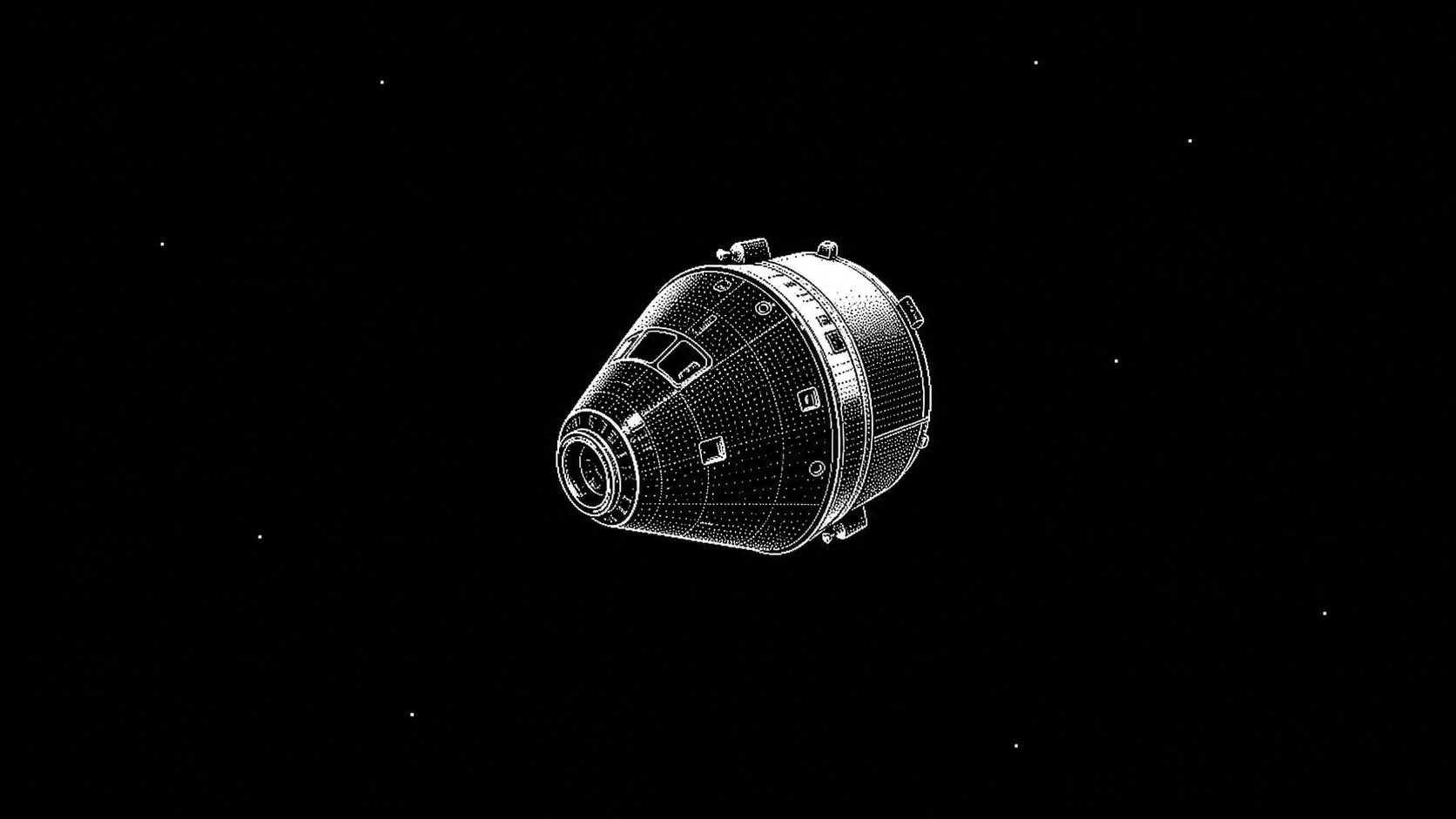
Realtime Space Data: Building Stargazer before Artemis II came home
By The Lab
Stargazer started during the Artemis II mission. Our whole team had the livestream open constantly. It was one of those rare moments where space exploration felt close enough to keep on a second monitor all day.
That obsession quickly turned into a product question: what space data already exists, and why is it still so hard to explore casually in the browser?
The data existed, but it was fragmented
Once we started digging, we found an enormous amount of useful public data. NASA, JPL, ESA, JAXA, SpaceX, and other sources all publish pieces of the larger picture. The issue was not that the data was missing. The issue was that it was fragmented across formats, APIs, pages, and tools.
There are also wonderful aggregators and simulation tools already out there. The challenge is that many of them are heavy, desktop-oriented, or too expensive for a lightweight browser experience. We wanted something that could run smoothly in a normal web app while still feeling spatial, visual, and useful.
A browser-first aggregator
That became the shape of Stargazer: a browser-based space data aggregator with a calmer product surface. Click a planet, moon, or spacecraft. Move through the scene. See what the object is and where it is now. Keep the technical depth available, but make the first interaction feel approachable.
The constraint was part of the fun. We wanted to build the aggregator before the Artemis II astronauts landed back on Earth. That gave the project a real deadline and a clear reason to stay focused.
We made it. Stargazer shipped as a lightweight way to explore realtime space data in the browser before splashdown.
What we learned
Space data is not just a technical problem. It is an interface problem. The sources are powerful, but people need a way to move through them without becoming orbital mechanics experts first.
Stargazer is our answer to that moment: a focused product built from the energy of watching Artemis II and realizing the web deserved a better window into what was happening above us.